Rail & Special Vehicles
Cooling solutions for locomotives, railcars, specialty vehicles, and unique applications requiring custom thermal management engineering.
Demanding Operating Conditions
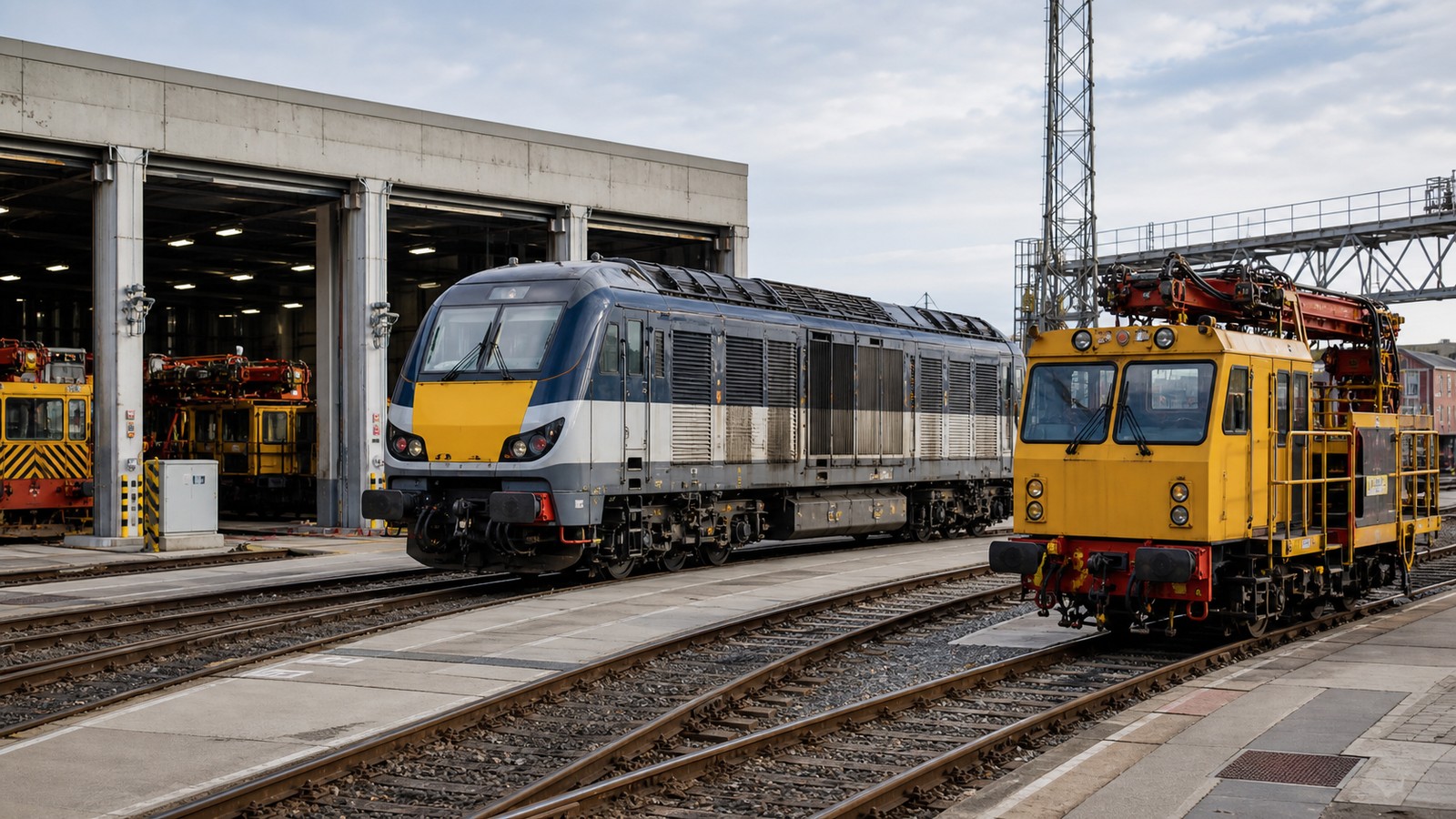
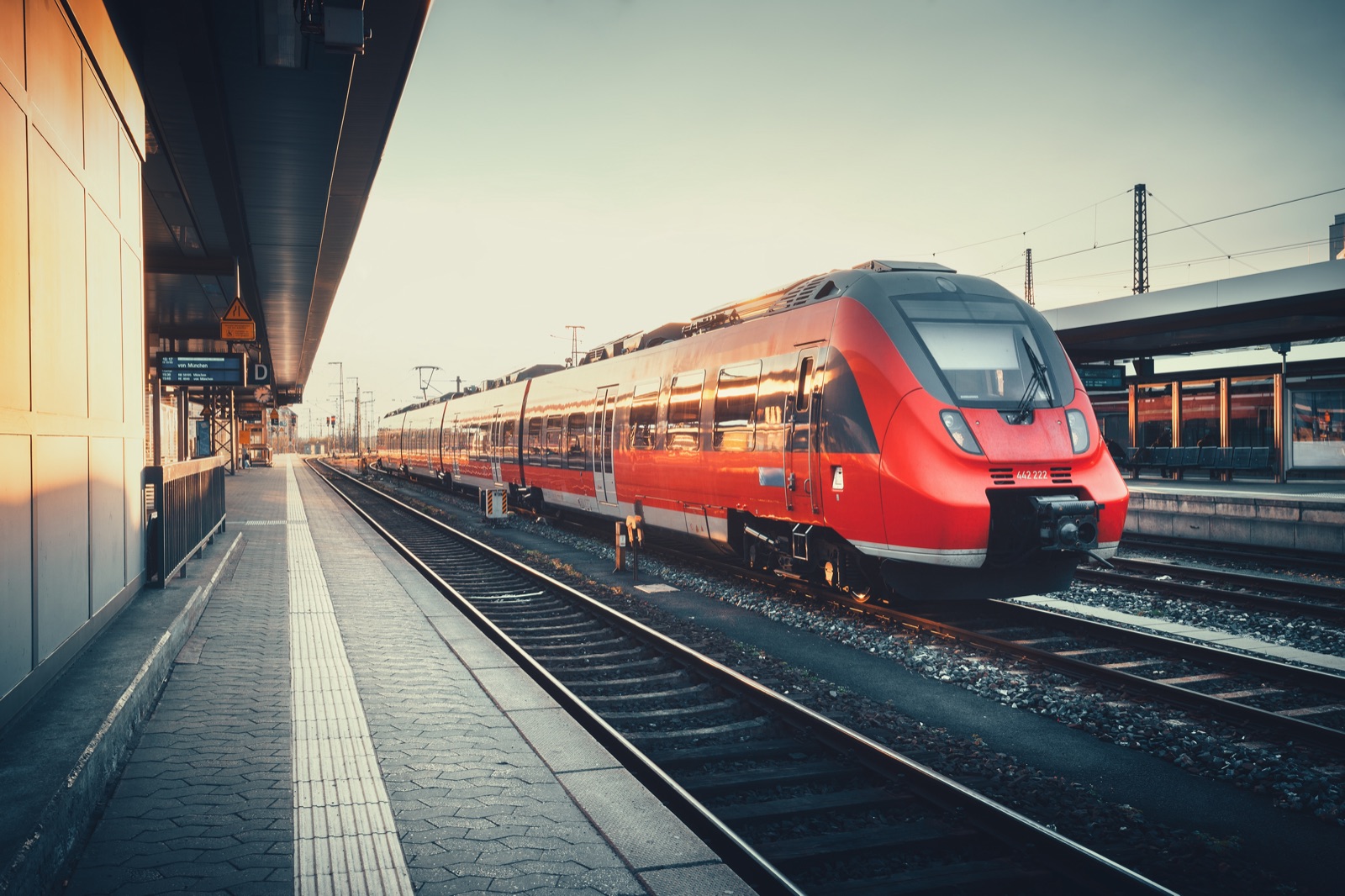
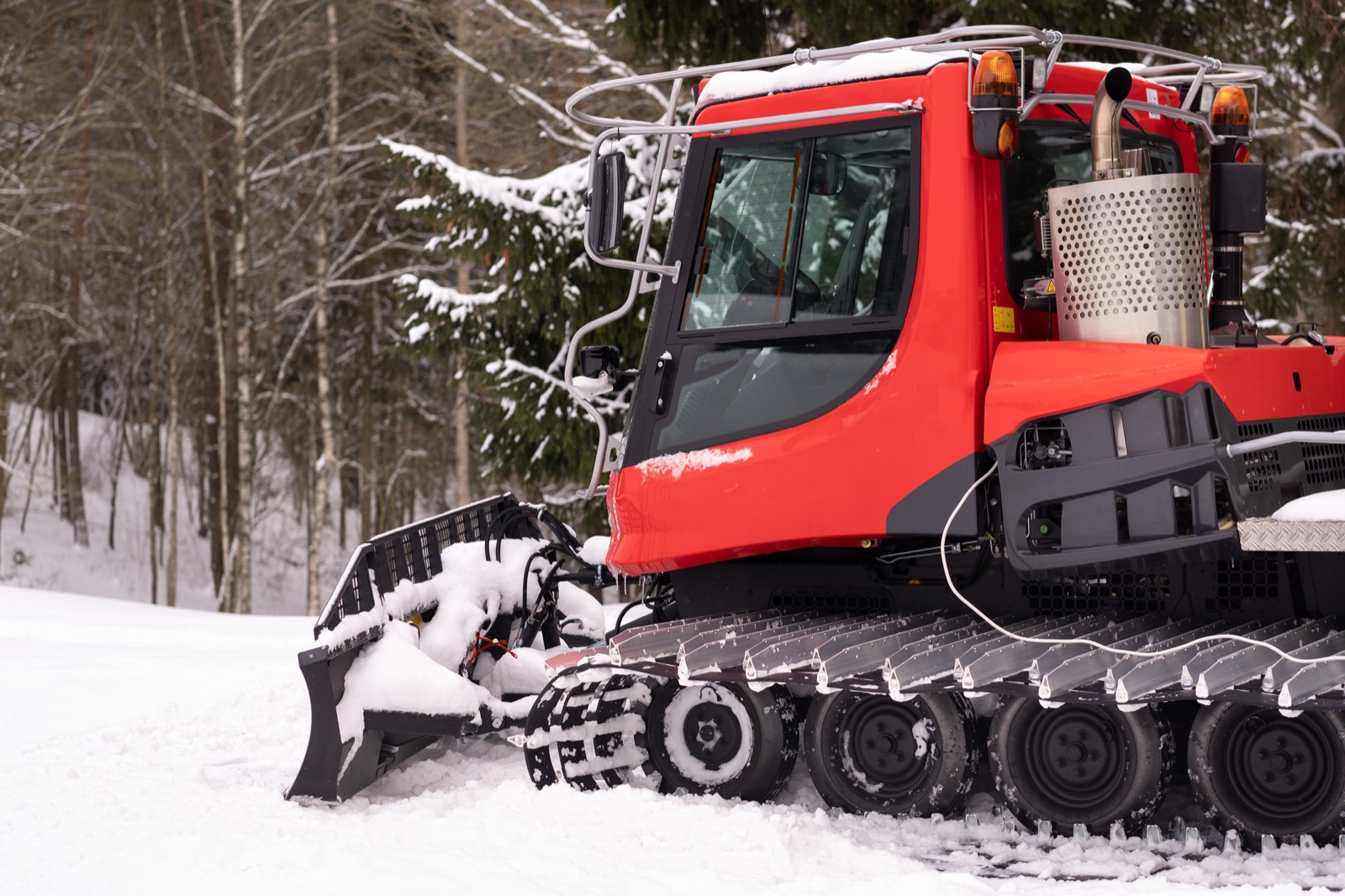
Rail & Special Vehicles applications present unique thermal management challenges. Equipment operates in harsh environments where reliability is critical and maintenance access may be limited. Cooling systems must deliver consistent performance across wide temperature ranges while withstanding vibration, dust, and corrosive conditions.
Integrated Thermal Solutions
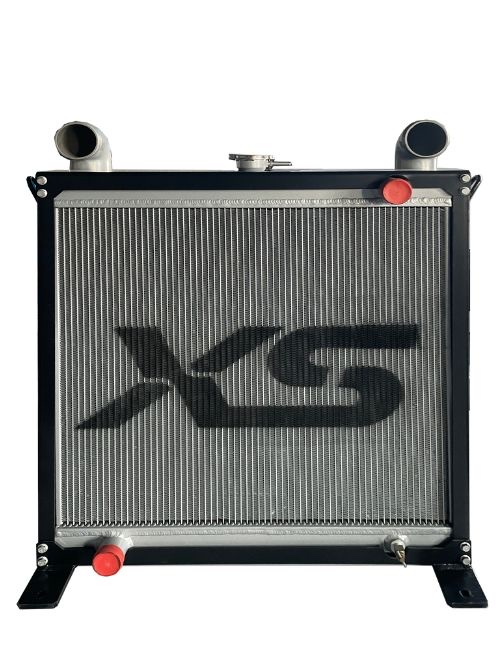
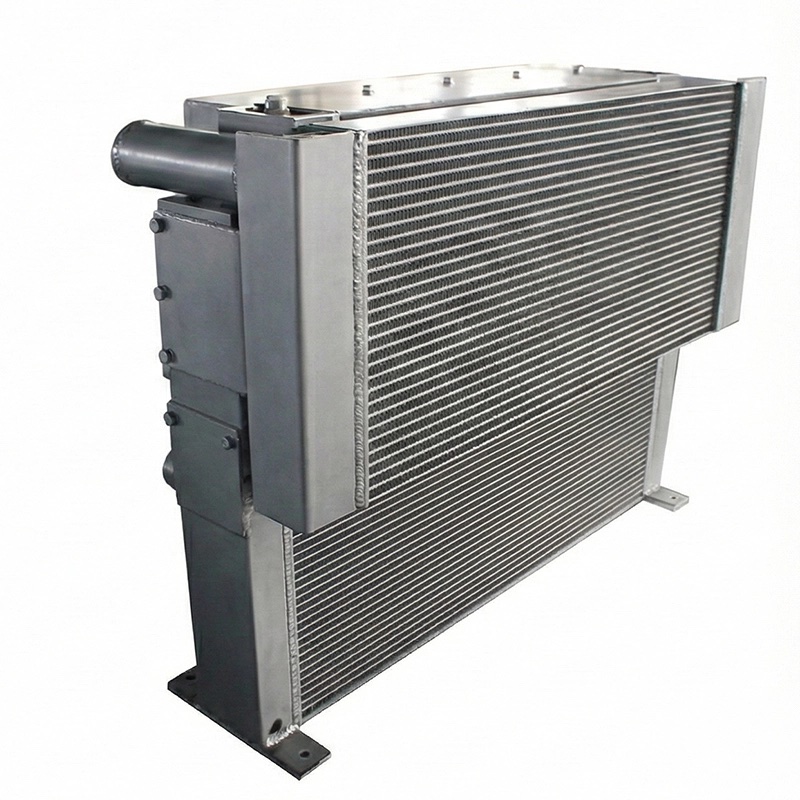
XinSheng engineers complete cooling systems that address the specific requirements of rail & special vehicles. We design multi-circuit packages that optimize heat rejection while meeting space, weight, and serviceability constraints.
Our application engineering team works closely with OEMs from concept through production, ensuring solutions are validated for real-world conditions.
Key Challenges We Address
Quality You Can Trust
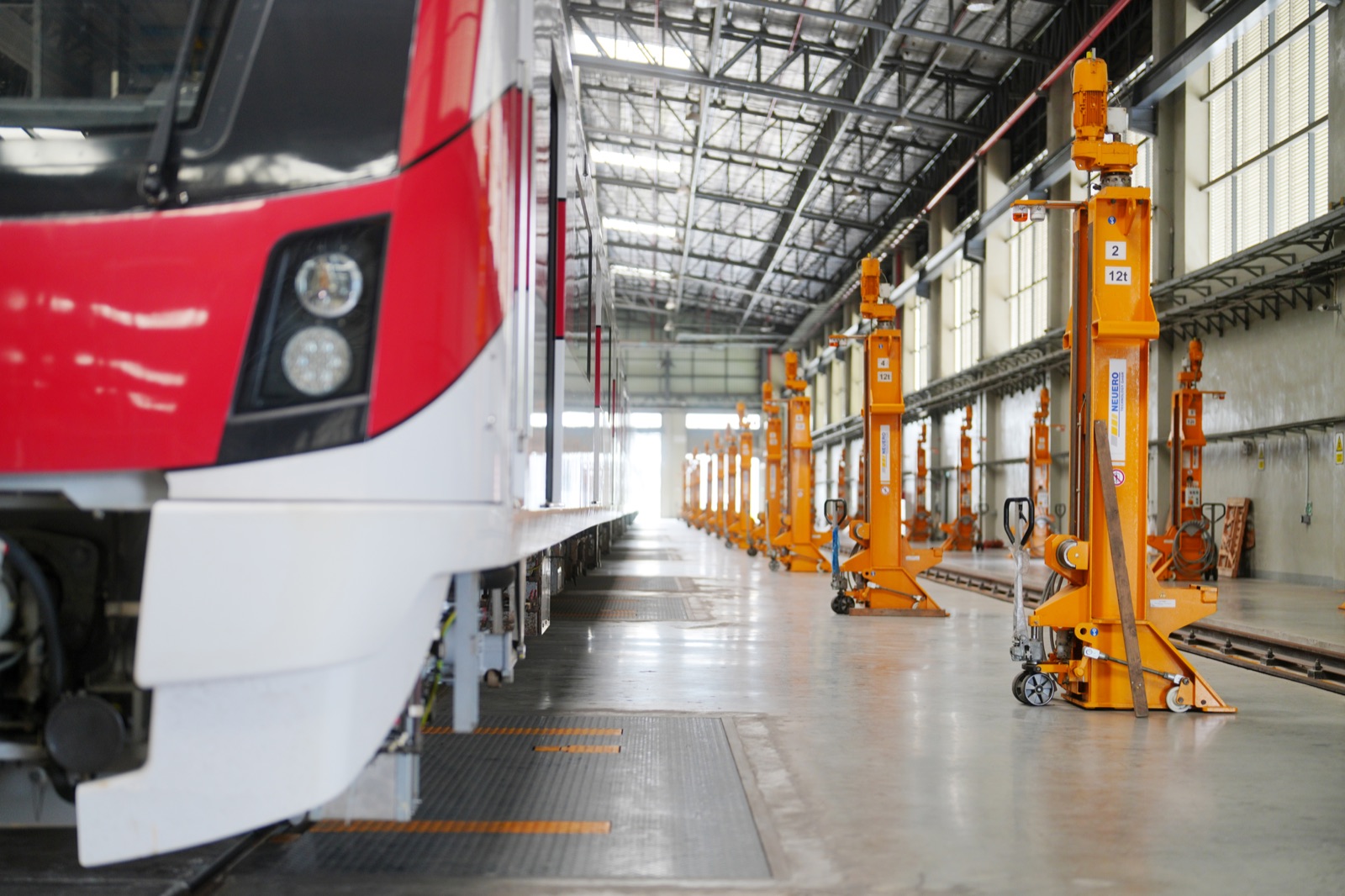
Every cooling system is manufactured to exacting standards with complete traceability. 100% leak tested and validated for your specific application requirements.
Certified
Certified
Leak Tested
Years Experience
Recommended for Rail & Special Vehicles
From Concept to Production
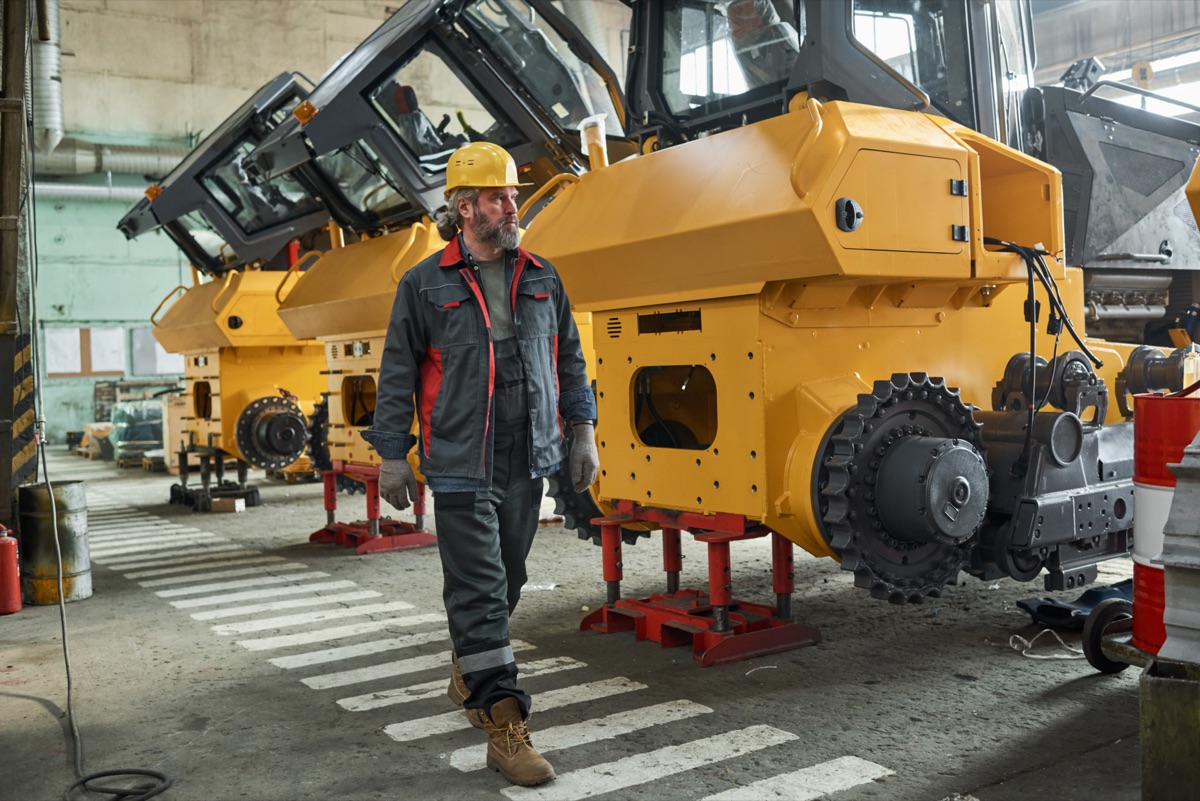
XinSheng provides comprehensive support throughout your product development cycle. Our in-house engineering, prototyping, testing, and manufacturing capabilities ensure seamless execution from initial concept to volume production.
Explore Our CapabilitiesWork With XinSheng
We partner with leading rail & special vehicles equipment manufacturers worldwide. Our dedicated application engineers understand your industry and can help optimize cooling system design for performance, cost, and reliability.
Ready to Discuss Your Rail & Special Vehicles Application?
Our engineering team is here to help.
Preparing a rail or special-vehicle cooling RFQ
Identify the vehicle application and the cooling circuits to be included in the enquiry.
- Working media: Coolant, oil or charge air, with flow rates, temperature targets and pressure levels for each circuit.
- Environment: Ambient temperature range, dust or corrosion exposure, vibration and shock levels.
- Packaging: Available envelope, interface directions and service access requirements.
- Volume and timeline: Estimated annual quantity, prototype needs and planned production start date.
Which vehicle constraints should I describe?
Include vibration and shock conditions, ambient temperature range, installation envelope, interface directions and maintenance access requirements.
Are the listed product ranges a project specification?
Use the product pages as a starting point for your enquiry. State the requirements for your application so that the configuration and project-specific specification can be reviewed.
Related product information: Coolant radiators · Oil coolers · Modular cooling packs.
Discuss these RFQ inputs