

Commercial vehicle
cooling systems
Radiators, charge air coolers and auxiliary oil cooling, selected around the powertrain and vehicle installation.
Application illustration · AI generated
Cooling circuits and supply scope
Heavy trucks, buses and special-purpose vehicles can combine engine coolant, charge-air and oil-cooling circuits. The required components depend on the powertrain and the auxiliary equipment.
Engine and charge air
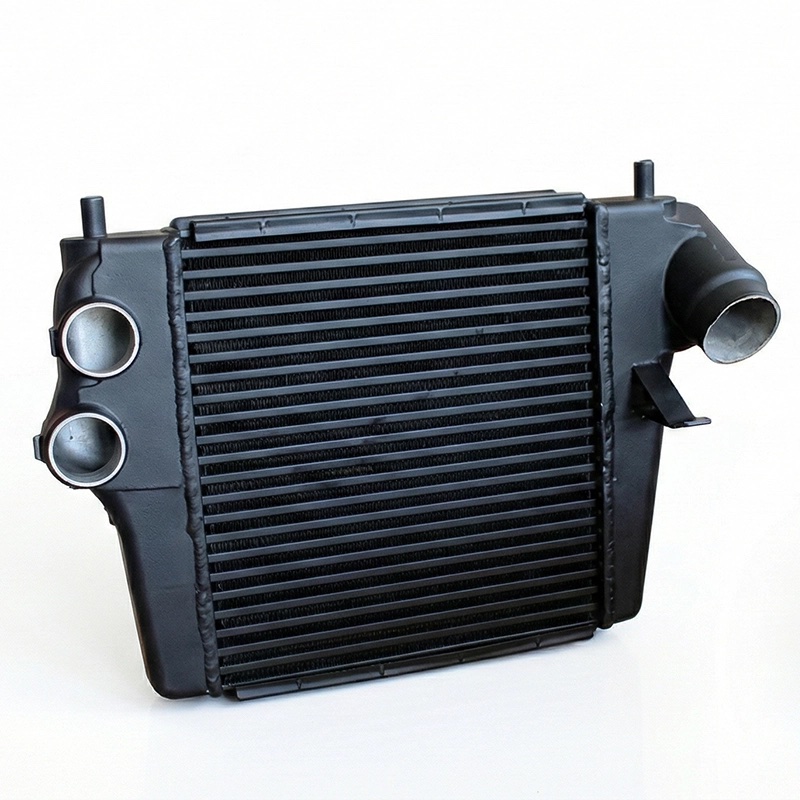
Radiators for the engine coolant circuit and charge air coolers for turbocharged intake air.
Auxiliary oil circuits
Oil cooling for hydraulic, transmission or other auxiliary systems where required by the vehicle configuration.
Vehicle packaging and integration
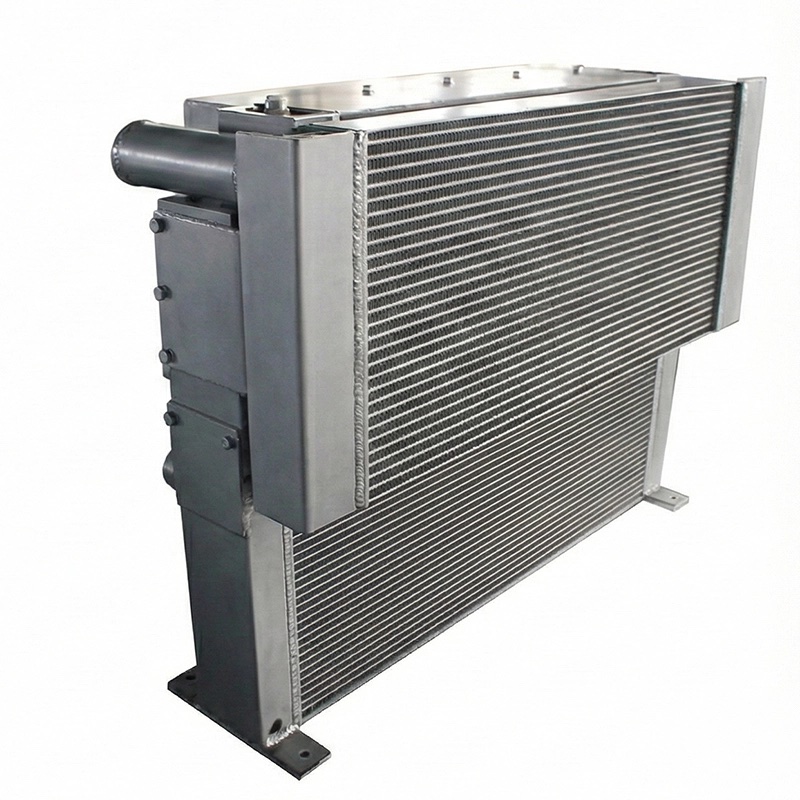
A component or a cooling module must be assessed against the vehicle envelope, airflow and maintenance access.
Project confirmation
Confirm dimensions, interfaces, performance and validation for the specific vehicle project. Product examples do not establish interchangeability with an original part, brand approval or a universal rating.
Information for engineering review
Machine and duty cycle
Vehicle type, powertrain, intended application and duty cycle.
Heat load and fluids
Heat rejection, fluid flow and target temperatures for each circuit.
Pressure and airflow
Pressure requirements, available airflow, fan arrangement and ambient conditions.
Space and interfaces
Reference drawings, part interfaces, mounting points and validation requirements.
Related cooling products
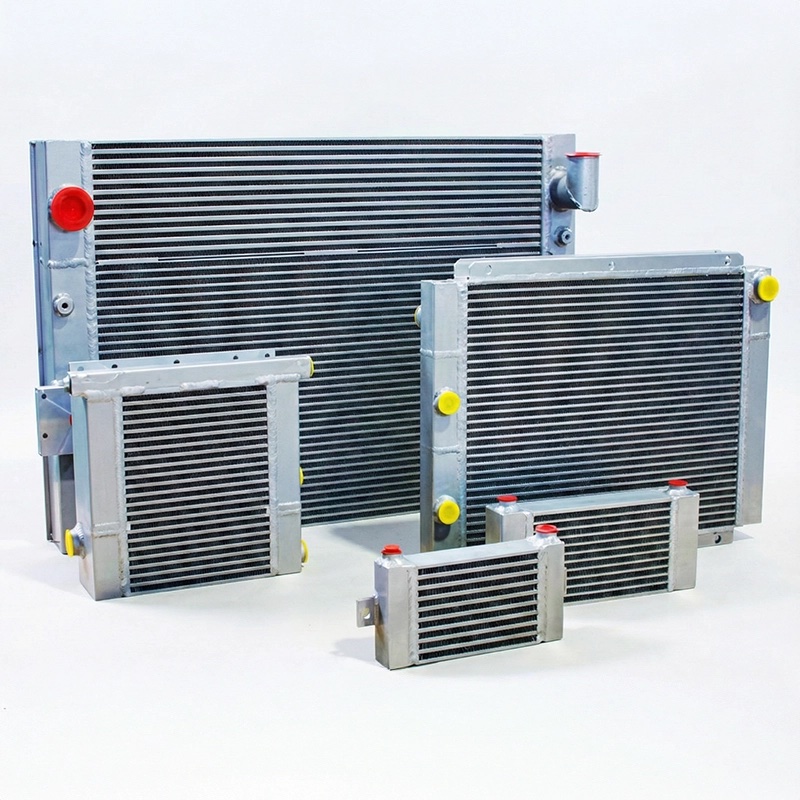
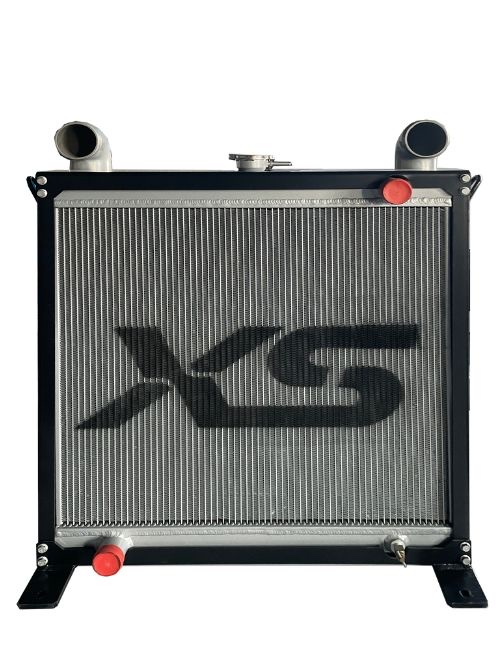
Representative XS product examples. Dimensions, interfaces and performance are confirmed for each project.
Start with your operating conditions
Share duty-cycle data and reference drawings to discuss your cooling requirements.